How to Reduce Callbacks on Eurocell Doors
Callbacks cost time. They pull installers away from booked work, slow down the diary and often come from simple things the homeowner could have avoided.
With Eurocell doors, many callbacks are not product issues. There are handover issues. The door has been made by Listers. The installer has fitted it. But the homeowner still needs to know how to use it, clean it and spot a small issue before it turns into a bigger one. That does not mean giving them a long technical explanation. It means taking 60 seconds at the end of the job to show them the basics.
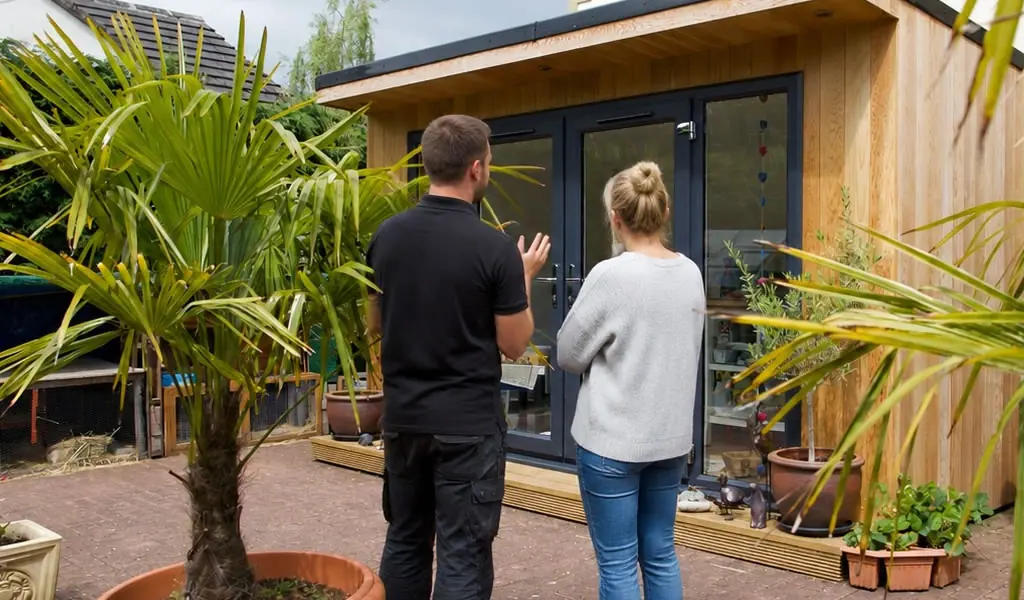
That short handover can save a return visit later.
The callback often starts after you leave.
A new door may work perfectly at handover. Then, a few weeks later, the homeowner calls because the key feels stiff, the handle feels tight, or the door is harder to close.
In many cases, the cause is simple:
None of this needs a long lecture. The homeowner just needs clear advice before you leave. Show them how to lock it properly. This is the first thing to cover. Many homeowners are not used to multi-point locking doors. They may turn the key before the locking points are engaged and think the door has a fault.
Show them the correct action:
Close the door firmly. Lift the handle fully. Then turn the key.
Then let them try it while you are there. That one step can prevent a lot of “the key won’t turn” calls. Make one thing clear: do not force the key. This is worth saying plainly.
If the key feels stiff, stop. Do not force it. Call the installer before it becomes a problem.
A stiff key may only need a small adjustment. A forced key can lead to damaged hardware and an avoidable emergency callout. Homeowners often keep trying because they think they are doing something wrong. Tell them when to stop. It protects the door and saves you time.
Point out the threshold
Thresholds pick up dirt quickly, especially on rear doors and garden doors. Grit, stones, leaves and building debris can stop the door closing cleanly. It can also affect the seal and make the door feel tighter than it should. Show the homeowner the threshold and say:
Keep this area clear. A quick sweep or wipe helps the door close properly.
It is simple advice, but it helps stop avoidable calls.
Show them the drainage slots
Homeowners do not always know drainage slots are there. They may block them with dirt, mats or sealant without realising there is a problem. Show them where the drainage is and say:
Keep these clear. Do not cover them. They are there to let water drain away.
That is all they need to know.

Give simple cleaning advice
Eurocell doors are low-maintenance, but homeowners still need to clean them properly. Keep the advice short:
Use warm, soapy water and a soft cloth. Avoid harsh cleaners or abrasive pads.
This helps protect the frame, glass and hardware. It also avoids calls caused by marks, damage or poor cleaning products.
Set the expectation on settling
A new door can settle slightly after installation. That does not mean anything is wrong. It can happen as the door beds in, as the property moves or as temperatures change. Tell the homeowner:
The door may settle slightly after fitting. If it starts catching or feels stiff, call us before forcing it.
This sets the right expectation. It makes a small adjustment feel normal, not like a failure.
Give them a simple “when to call” guide
Homeowners do not need technical detail. They just need to know what is normal and what is not. Tell them to call if:
Early calls are easier to deal with. Late calls usually take more time.
A simple handover script for installers
Here is a quick line installers can use before leaving site:
Before I go, I’ll quickly show you how to lock the door, where to keep it clean and what to do if it ever starts to feel stiff. It only takes a minute, but it helps keep the door working properly.
That sounds helpful, not patronising. It also shows the homeowner that the installer has finished the job properly.

Homeowner care message to send after fitting
Installers can also send this short message after the job.
Your New Eurocell Door: Quick Care Guide
Your new door is built for everyday use. A few simple steps will help keep it working properly. To lock the door, close it firmly, lift the handle fully, then turn the key. If the key feels stiff, do not force it. Contact your installer before it becomes a bigger issue. Keep the threshold clear of dirt, grit, stones and leaves. Keep drainage slots clear. Do not cover them with mats, sealant or debris. Clean the frame and door with warm soapy water and a soft cloth. Avoid harsh cleaners or abrasive pads. Your door may settle slightly after fitting. If it starts catching or feels harder to close, contact your installer.
A quick call early can prevent a bigger issue later.
Fewer callbacks start with better handovers
Listers manufactures Eurocell doors for trade installers. The installer fits the door. The homeowner uses it every day. A clear handover helps bridge that gap.
Show them how to lock it.
Tell them not to force it.
Point out the threshold and drainage.
Explain when to call.
That small handover helps reduce avoidable callbacks and keeps the job finished.